Detect Pipeline Threats Before They Become Failures
Non-intrusive acoustic monitoring that identifies leaks, corrosion, and mechanical degradation without shutting down operations. Available in ad-hoc survey and continuous monitoring configurations.
Capabilities
Seismos applies the same acoustic sensing technology proven on 100,000+ frac stages to pipeline integrity monitoring. PPHM listens to the acoustic signature of your pipeline and identifies anomalies that indicate developing threats.
Acoustic signatures from fluid escaping through pipe wall defects, joint failures, or valve seats. PPHM detects leaks too small for pressure-based methods, enabling early intervention before environmental or safety events.
Changes in acoustic propagation characteristics reveal wall thinning from corrosion, erosion, or chemical attack. Monitor degradation trends over time without pigging or inline inspection tools.
Detect mechanical issues including support failures, vibration-induced fatigue, loose fittings, and abnormal flow patterns that indicate developing problems before they cause unplanned shutdowns.
Technology
Acoustic sensors clamp to the exterior of the pipeline at strategic locations. No hot work, no pipeline entry, no shutdown required. Installation is rapid and non-disruptive to ongoing operations.
Sensors capture high-frequency acoustic signals generated by fluid flow, pressure transients, and mechanical events within the pipeline. The system baselines normal operating signatures and flags deviations that indicate developing anomalies.
Analytics classify detected anomalies by type (leak, corrosion, mechanical) and severity. Operators receive prioritized alerts with location, estimated severity, and recommended response — enabling condition-based maintenance instead of calendar-based inspections.
The Dashboard
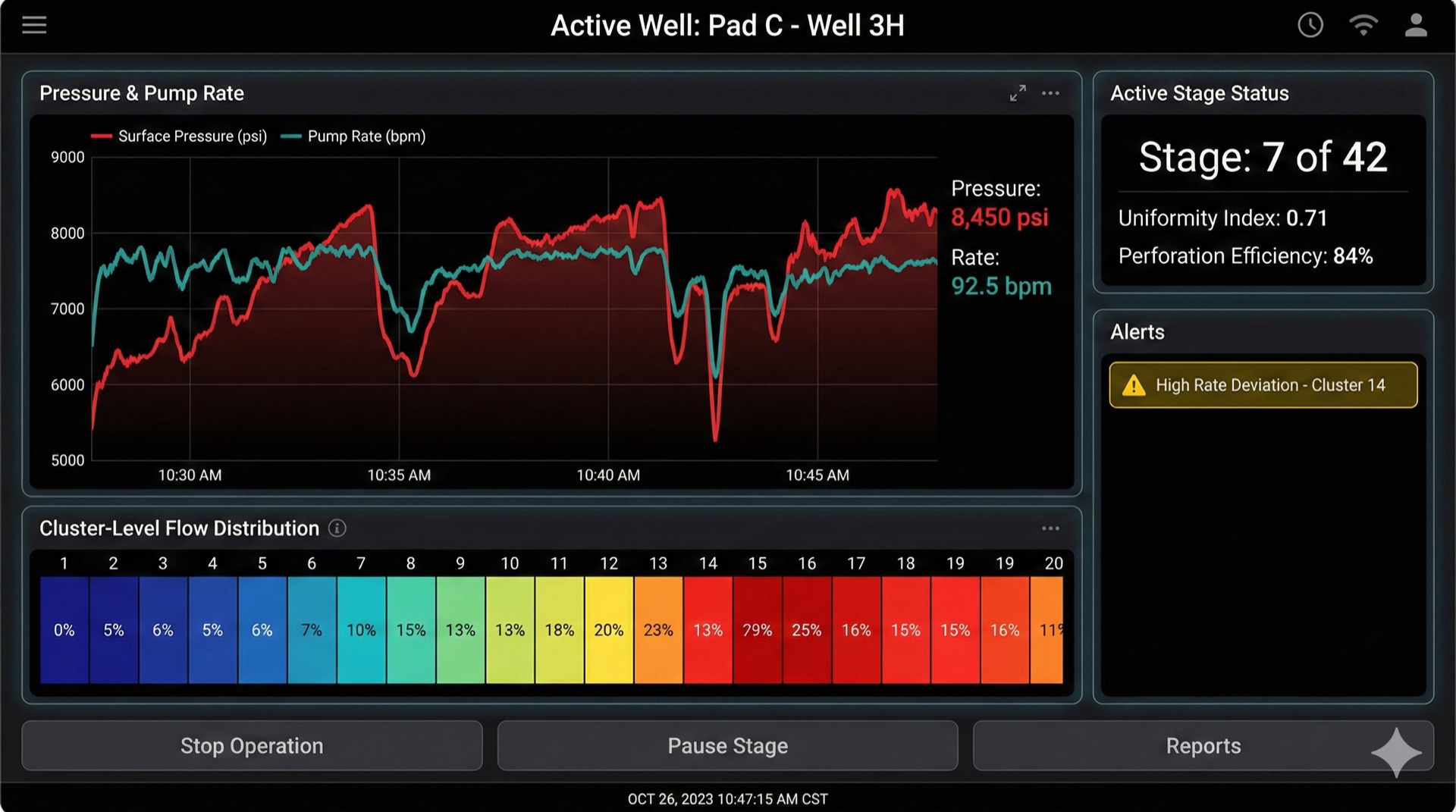
PPHM data streams to a central dashboard that tracks acoustic signatures across all monitored pipeline segments, surfaces anomaly alerts with severity classifications, and maintains a continuous baseline for trend analysis.
Deployment
Choose the deployment model that fits your integrity management program.
On-demand acoustic inspection for pre- and post-hydrostatic testing, commissioning verification, or targeted assessment of suspected problem areas. Deploy sensors, collect data, generate a condition report, and remove. Ideal for project-based integrity verification.
Permanent sensor installation for real-time, 24/7 pipeline health surveillance. Continuous baseline tracking detects gradual degradation trends and sudden-onset events. Data streams to a central dashboard for fleet-wide pipeline visibility.
Industries
PPHM’s acoustic technology is pipeline-agnostic. The same physics apply whether the medium is hydrocarbons, water, slurry, or hydrogen.
Production flowlines, gathering systems, and transmission pipelines. Monitor for corrosion, erosion, and leak events across upstream and midstream infrastructure without disrupting production.
Municipal water distribution, wastewater conveyance, and industrial water systems. Detect leaks and assess pipe condition to prioritize capital replacement programs and reduce non-revenue water loss.
Slurry transport pipelines and tailings management infrastructure. Acoustic monitoring detects erosion-driven wall loss and joint failures in high-wear environments where traditional inspection methods face access constraints.
Emerging hydrogen pipelines, refinery process lines, and facility piping. Hydrogen embrittlement and material compatibility challenges make continuous integrity monitoring essential for safe, reliable operations.
Tell us about your pipeline infrastructure and integrity challenges. Our team will scope a PPHM deployment — ad-hoc survey or continuous monitoring — tailored to your operations.
Discuss Your Pipeline NeedsOr contact us directly: info@seismos.com